
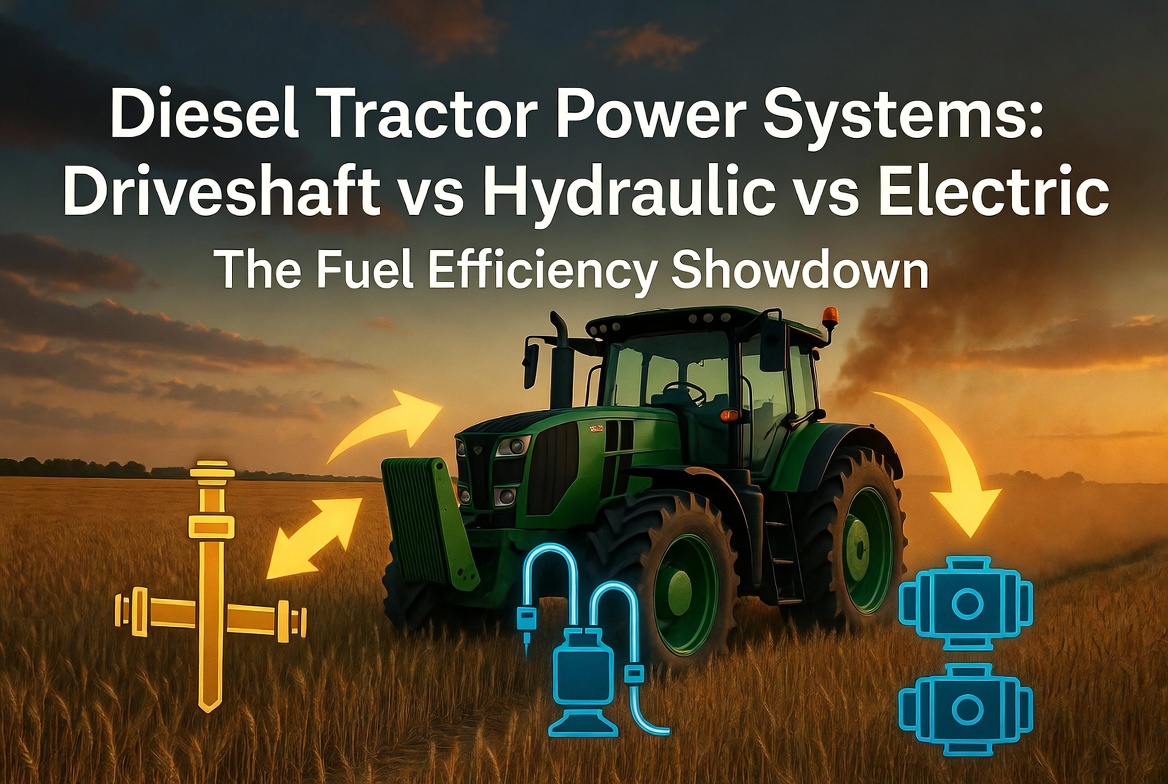
Diesel-Electric Test
Diesel Tractor Power Systems Compared: Driveshaft vs. Hydraulic vs. Electric – Which Is Most Fuel Efficient?
Farmers know that fuel is one of the biggest operating expenses on the farm. With diesel prices always fluctuating, the way your tractor delivers power from the engine to the wheels and implements can make a huge difference in your bottom line. Today we’re breaking down the three main power transmission systems used in modern tractors: Diesel-to-Driveshaft (mechanical PTO), Diesel-to-Hydraulic, and Diesel-to-Electric. We’ll look at how each one works, their real-world differences in engine RPM, and — most importantly — which one saves you the most on fuel.
How Each System Works
Diesel to Driveshaft (Mechanical PTO)
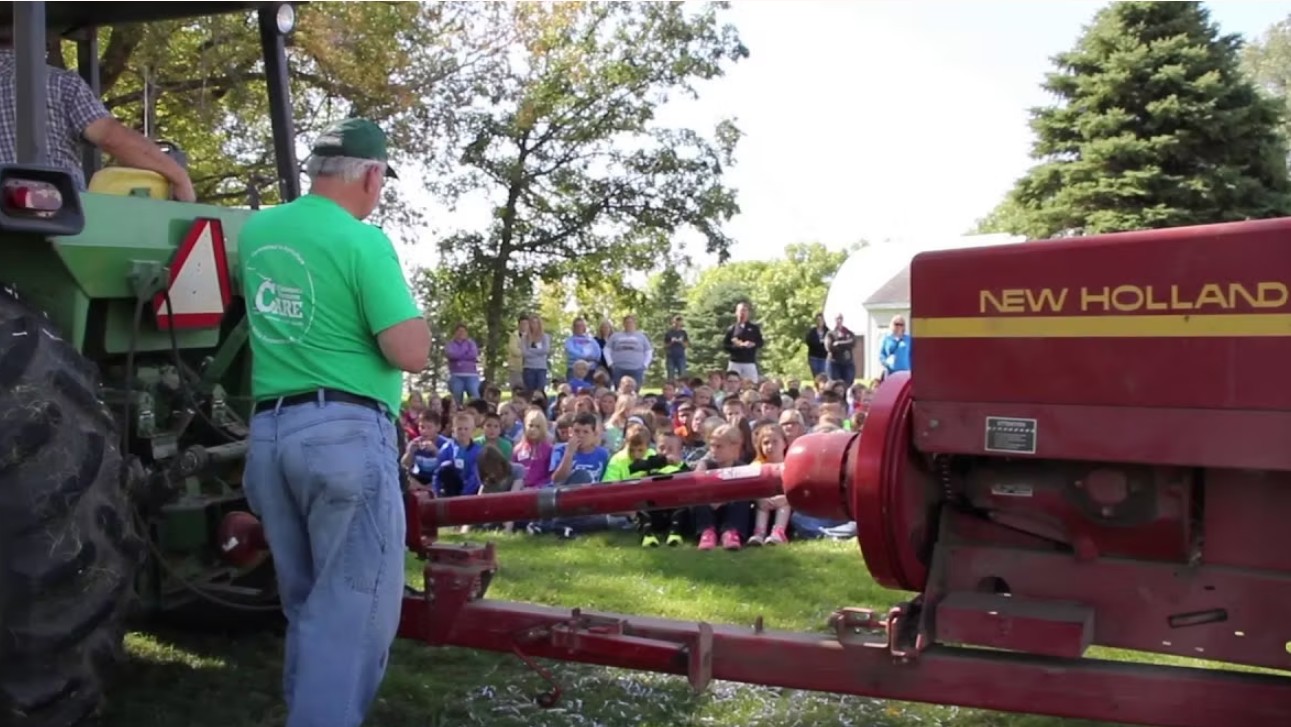
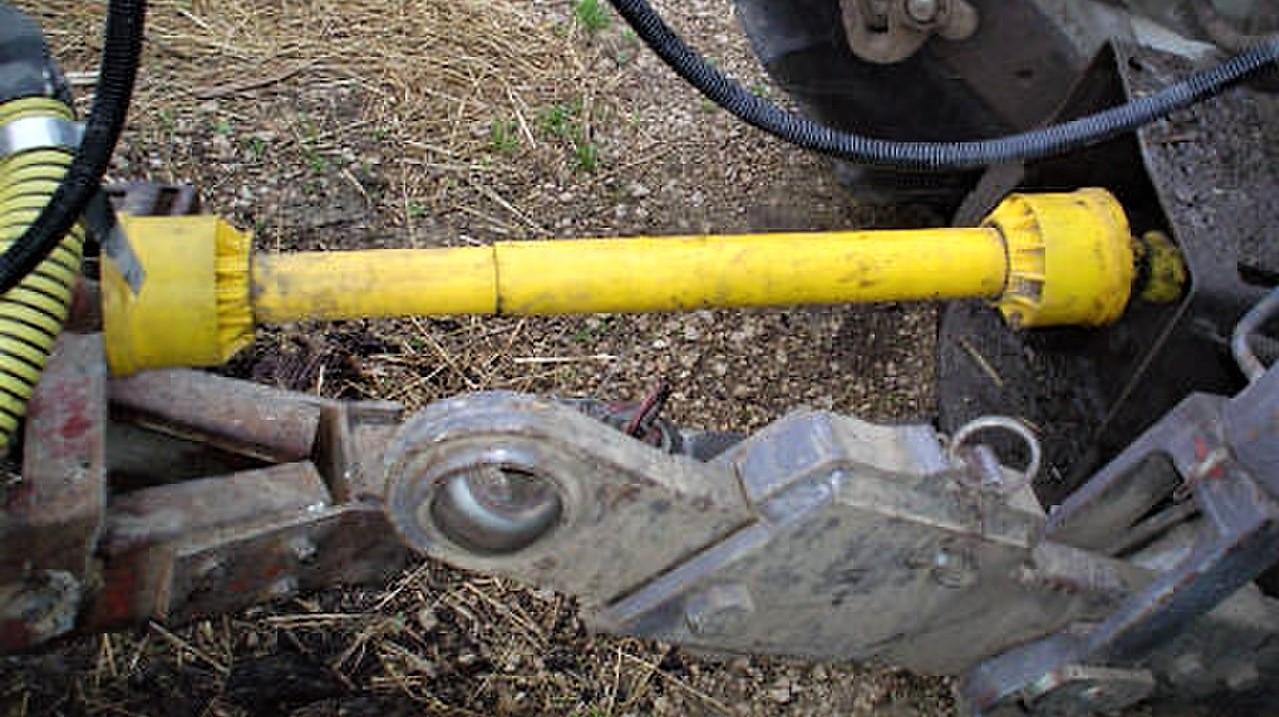
The classic setup. The diesel engine connects directly through a gearbox and driveshaft (or power take-off shaft) to power implements like mowers, balers, or tillers. It’s simple, proven, and has minimal conversion losses once the power reaches the implement.Diesel to Hydraulic
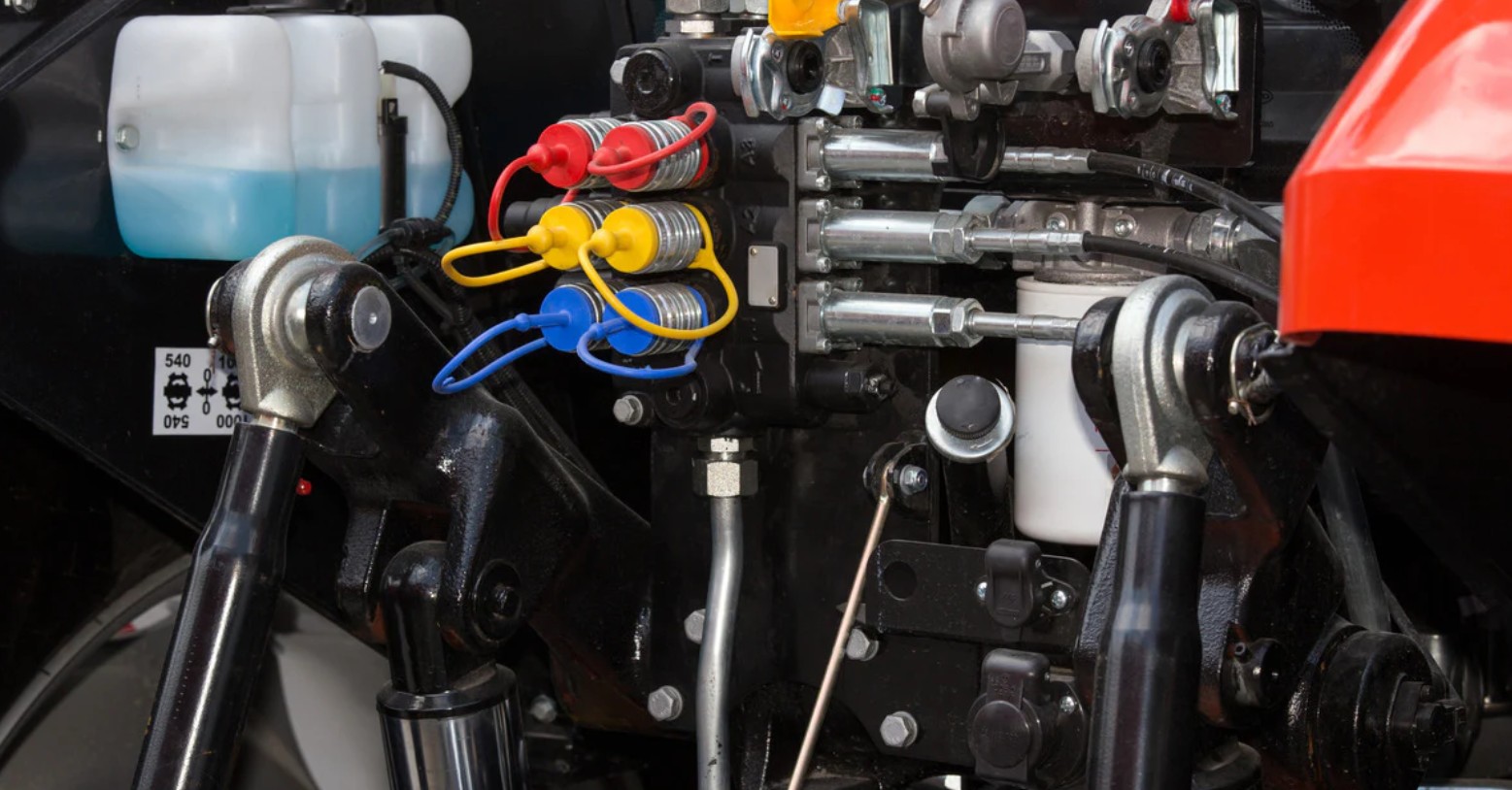
The engine drives a hydraulic pump that pressurizes fluid, which then powers hydraulic motors or cylinders on the tractor or attached equipment. This system gives excellent control and high torque at low speeds — great for loaders, backhoes, and variable-speed work.Diesel to Electric
The diesel engine spins a generator that produces electricity, which then powers electric motors at the wheels or on the implements. This is the newest and most advanced approach, often seen in hybrid or high-tech tractors.
The RPM Difference – The Key to Fuel Efficiency
Here’s where the systems separate themselves dramatically:
Diesel-to-Electric stays at a constant 1000 RPM. The engine runs steadily at its most efficient speed and load point, no matter what the implement or ground speed demands. Electric motors handle all the variable torque and speed needs.
Diesel-to-Hydraulic runs the engine wide open at 3,000–4,000 RPM almost constantly to maintain adequate hydraulic pressure and flow.
Diesel-to-Driveshaft typically runs at 3,000 RPM or greater to achieve the proper PTO speeds (usually 540 or 1,000 RPM at the implement) and deliver full power.
Diesel engines are most fuel-efficient when they operate at a steady, moderate RPM in their “sweet spot.” Constant high-revving wastes fuel — and that’s exactly what the mechanical and hydraulic systems force the engine to do.
Fuel Efficiency Showdown
The clear winner for fuel efficiency is the Diesel-to-Electric system.By keeping the diesel engine locked at a constant low 1000 RPM, it avoids the constant high-revving required by the other two systems. Real-world data and engineering studies show diesel-electric tractors can deliver 15–25% better fuel economy than traditional mechanical or hydraulic setups. Electric motors also convert energy to work more efficiently than hydraulic systems, which can lose 20–50% of energy to heat and fluid friction.Ranking for fuel efficiency:
Diesel-to-Electric – Best (constant optimal RPM + high motor efficiency)
Diesel-to-Driveshaft – Good (direct mechanical transfer, but higher engine RPM)
Diesel-to-Hydraulic – Least efficient (high constant RPM + major fluid losses)
Other Pros & Cons

Driveshaft shines for simplicity and low cost.
Hydraulic is unbeatable when you need precise, high-torque control.
Electric offers the best long-term savings on fuel and quieter, smoother operation.
Final Verdict
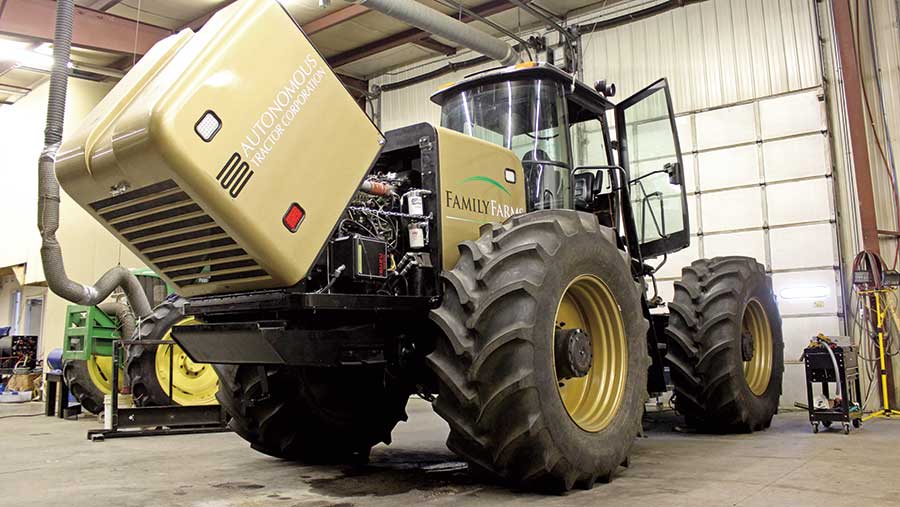
If fuel efficiency is your top priority — and for most farmers it should be — the Diesel-to-Electric system is the clear winner. Running the diesel engine at a steady 1000 RPM instead of constantly wide-open at 3,000+ RPM saves significant fuel every hour you’re in the field. While the upfront cost is higher today, the fuel savings and lower operating costs pay off quickly, especially with high diesel prices. The future of farming is heading electric — and for good reason. Whether you’re running a small acreage or a large commercial operation, switching to (or adding) a diesel-electric tractor could be one of the smartest moves you make for your wallet and your bottom line. What do you think? Have you tried a diesel-electric or hybrid tractor yet? Drop your experiences in the comments below!
Thanks for reading — happy farming and efficient fueling!

